
GOLD PROBE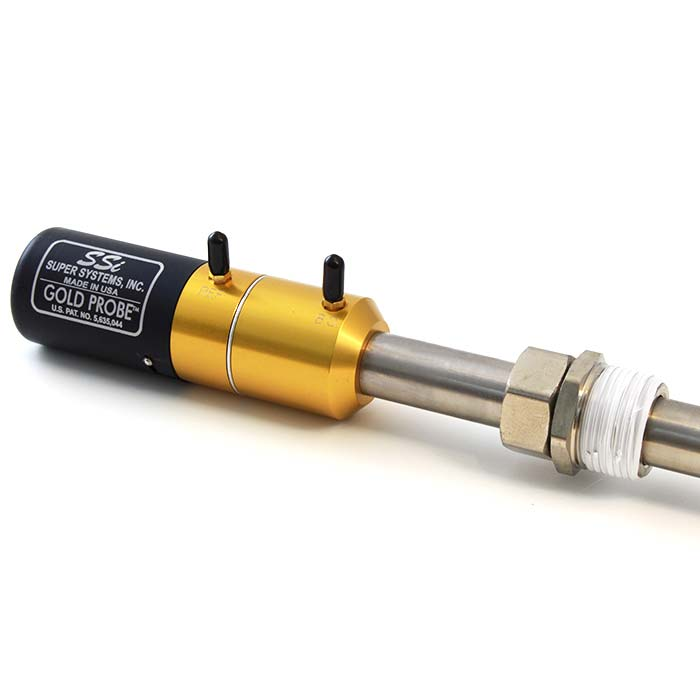
Gold Probe Oxygen Probe
The world's best-selling zirconia oxygen probe measures and controls oxygen, dew point and carbon potential in heat treatment furnace atmospheres.
Oxygen probes
An in-situ oxygen sensor for combustion control that measures oxygen directly in the hot zone of re-heat furnaces, boilers and incinerators.
The SuperOX is an oxygen sensor for combustion control in re-heat furnaces, boilers and incinerators. This in-situ sensor measures the percentage oxygen concentration directly in the combustion area of high-temperature furnaces, boilers and incinerators. It is intrinsically safe and produces a low millivolt output based on the oxygen content of the atmosphere.
The sensor is used in glass melting operations, glass furnaces, ceramic kilns and exhaust stacks. It enables round-the-clock monitoring of combustion stack oxygen and interfaces with existing combustion control systems, which makes air-fuel ratio control possible.
A rugged construction gives long service life in ash-laden environments, and a dedicated air-cooled head maintains positive pressure in harsh conditions. The probe is rebuildable, requires no calibration and its performance can be verified in the field through an external port.
| Oxygen measurement | 10-26 to 20.9 % |
|---|---|
| Useful O2 range, pure oxygen reference | 10-25 to 100.0 % |
| Operating temperature | 620 °C to 1650 °C |
| Thermocouple versions available | B, S, R |
| Available lengths | 457 mm, 685 mm, 915 mm |
| Outer sheath | 99 % alumina or silicon carbide |
| Response time | less than 1 second |
Applications
The probe measures and controls the carbon potential in controlled atmospheres, whatever the furnace design.
Enquiry
We reply within one working day, with a configuration and a quotation.
The world's best-selling zirconia oxygen probe measures and controls oxygen, dew point and carbon potential in heat treatment furnace atmospheres.
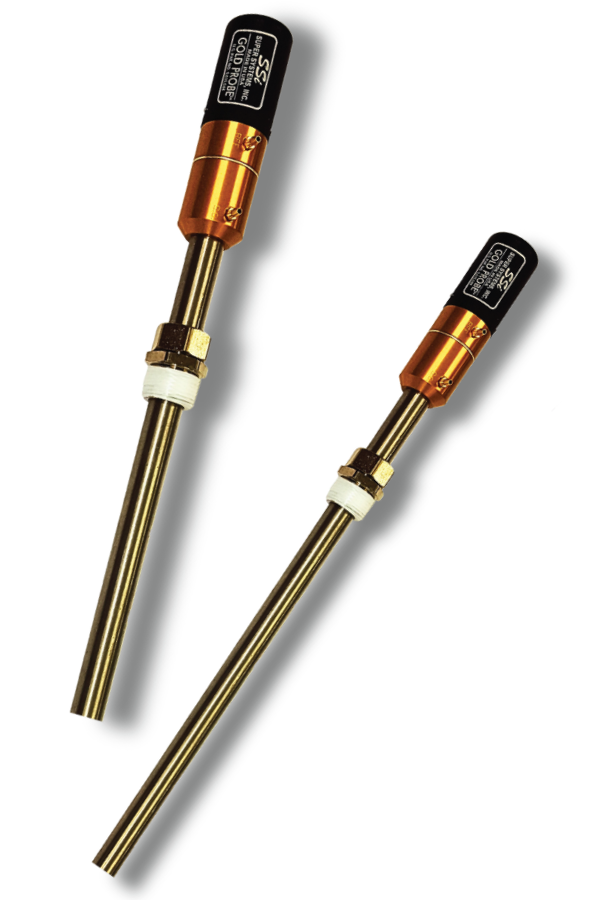
A patented diffused ceramic CERMET coating protects the sheath against temperature and carbon erosion, extending probe life in aggressive carburising atmospheres.
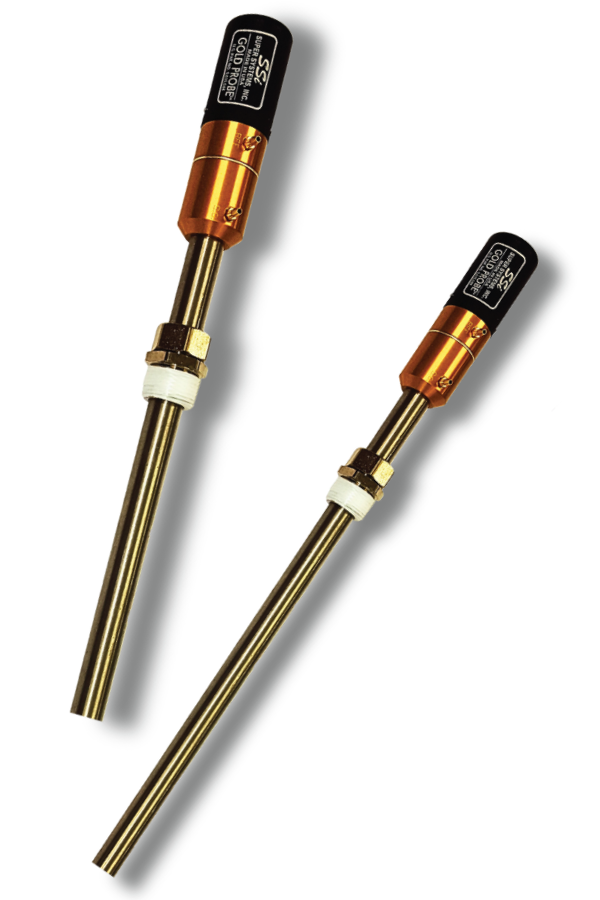
A reinforced spring assembly compensates the differential thermal expansion of ceramic parts and sheath in probes longer than 1000 mm.